Let’s be real, the medical field has been quietly drowning for years. While we celebrate breakthroughs in robotic surgery and gene therapy, the average doctor is being crushed by a “documentation tax” that’s robbing them of their time, their sanity, and their connection with patients. If you’ve walked into a clinic recently, you’ve seen the back of a doctor’s head as they frantically type into an Electronic Health Record (EHR) while you’re pouring your heart out.
This is a silent red flag. When surgeons spend up to two hours on paperwork for every one hour of actual patient care, something is fundamentally broken.
But in 2026, the game has changed. By merging the orchestration of Google Antigravity with the deep reasoning of Claude Sonnet 4.6 Thinking, we’ve moved past simple transcription into a world of Ambient AI Scribes. This setup isn’t just “cool”—it’s a $20,000-level upgrade to your practice’s legal protection and productivity. And the best part? Our platform has already covered dozens of open-source apps that let you build this exact setup without a massive corporate budget.
The “Before” and “After”: A Tale of Two Workflows
To understand why this is a revolution, you have to look at the “Old System” vs. the “New Thinking Setup.”
The Old System: The “Pajama Time” Era
In the traditional workflow, a doctor’s day doesn’t end when the clinic closes.
- The Manual Grind: A 15-minute visit triggers 30 minutes of manual data entry.
- Memory Bias: Notes are often written hours later, leading to “human fluff” or missed details that could be vital in a legal setting.
- Burnout: Over 50% of U.S. doctors report burnout directly linked to maintaining electronic patient files.
The New System: The Ambient Thinking Partner
Now, imagine a world where the documentation is invisible.
- Native Integration: Using hybrid AI agents, the conversation is captured in real-time, filtered for “small talk,” and structured into perfect SOAP notes that flow directly into Epic or Athena.
- The “Thinking” Edge: Unlike basic chatbots, models like Claude Sonnet 4.6 Thinking reason through the encounter. It doesn’t just record; it understands medical context, flagging potential medication interactions or care gaps as they are discussed.
Real-Life Stories: Beyond the Keyboard
Names have been changed to protect privacy, but these stories are 100% real reflections of the 2026 shift.
“Dr. Sarah” (Pediatric Surgeon)
Before the AI shift, Sarah was missing her kids’ soccer games every week because she was tethered to her laptop doing “pajama time” charting. After implementing an ambient scribe, her documentation time dropped by 41 seconds per note on average, adding up to hours of saved time each week.
“I have my nights and weekends back,” she told us. “There is literally no other intervention that has impacted my burnout to this extent.”
“Dr. Marcus” (Cardiologist)
Marcus struggled with “eye contact fatigue.” He felt like a data entry clerk rather than a healer. By switching to a voice-first setup, he reclaimed his face-to-face time. Patients noticed the difference immediately—satisfaction scores for his clinic rose because patients felt truly heard, not just “processed.”
The Privacy Fortress: Guarding the Data
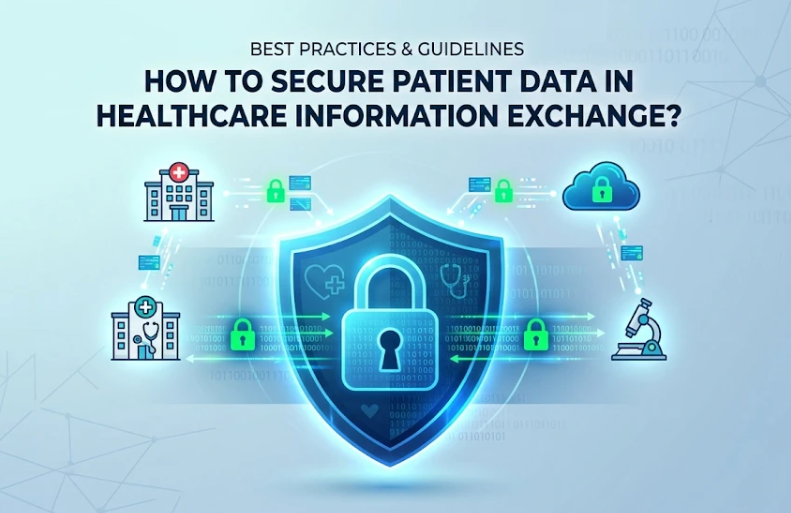
The biggest “giant yellow banner” in healthcare AI is Privacy and HIPAA Compliance. You cannot just use a random chatbot for patient data.
- HIPAA Standards: Modern 2026 systems are built with technical safeguards like end-to-end encryption, strict access controls, and comprehensive audit trails.
- Zero-Retention Policies: High-tier AI providers now offer “Zero Data Retention,” meaning the audio is processed for the note and then immediately deleted.
- Patient Consent: In 2026, transparency is king. Clinicians must obtain explicit patient consent (often recorded) before activating any AI listener.
- The Open-Source Advantage: For clinics that want total control, open-source models like fish-speech-1.5 allow you to host the AI locally. This keeps patient data entirely within your own hospital firewall, removing the risk of third-party breaches.
Why It’s Financially Massive (The $20,000 Edge)
When we say this setup saves you $20,000+, we aren’t just talking about the cost of an enterprise license. We’re talking about Revenue Cycle Intelligence.
1. Reducing Denials
In early 2026, partnerships between AI scribe companies and revenue management organizations began integrating payer policies at the point of care. The AI flags prior authorization rules during the visit, drastically reducing claim denials.
2. Billed Productivity
Data shows that as clinicians adapt to AI scribes, their efficiency scales. Over a 150-day period, note-writing savings can increase from 7% to 15%, allowing for more billed “Work Relative Value Units” without increasing the doctor’s hours.
3. The Legal Shield
In the high-stakes world of surgery, if it wasn’t documented, it didn’t happen. AI scribes provide granular accuracy, proving verbal confirmations of instrument counts or specific medical advice that “templated” human notes often gloss over. This Contemporaneous evidence holds significantly more weight in a courtroom than a note filed 24 hours later.
The Bottom Line: Stop Being a Clerk
The future of engineering—and medicine—is about orchestration. We’ve covered dozens of open-source tools on our platform that prove you can build this “Thinking” setup yourself. Whether you’re using Nabla for speed, Abridge for Epic integration, or a custom open-source stack, the goal is the same: restore focus to what matters most: the patient.
Don’t just “smile and wave” at the burnout. Orchestrate your way out of it. 🚀