What is CORAL!
CORAL (Collaborative Organized Research & Learning) is a framework for building organizations of AI agents that don’t just work in parallel, they collaborate, share knowledge, critique each other’s work, and iteratively evolve better solutions.
Think of it as a research lab where Claude Code, Codex, OpenCode, or other coding agents run experiments in isolated git worktrees, while seamlessly syncing insights via a shared .coral/ directory.
What does it actually do?
- Isolated yet connected: Each agent works in its own git branch, but sees real-time updates from peers via symlinked shared state (attempts, notes, skills).
- Safe, automated evaluation: Agents trigger
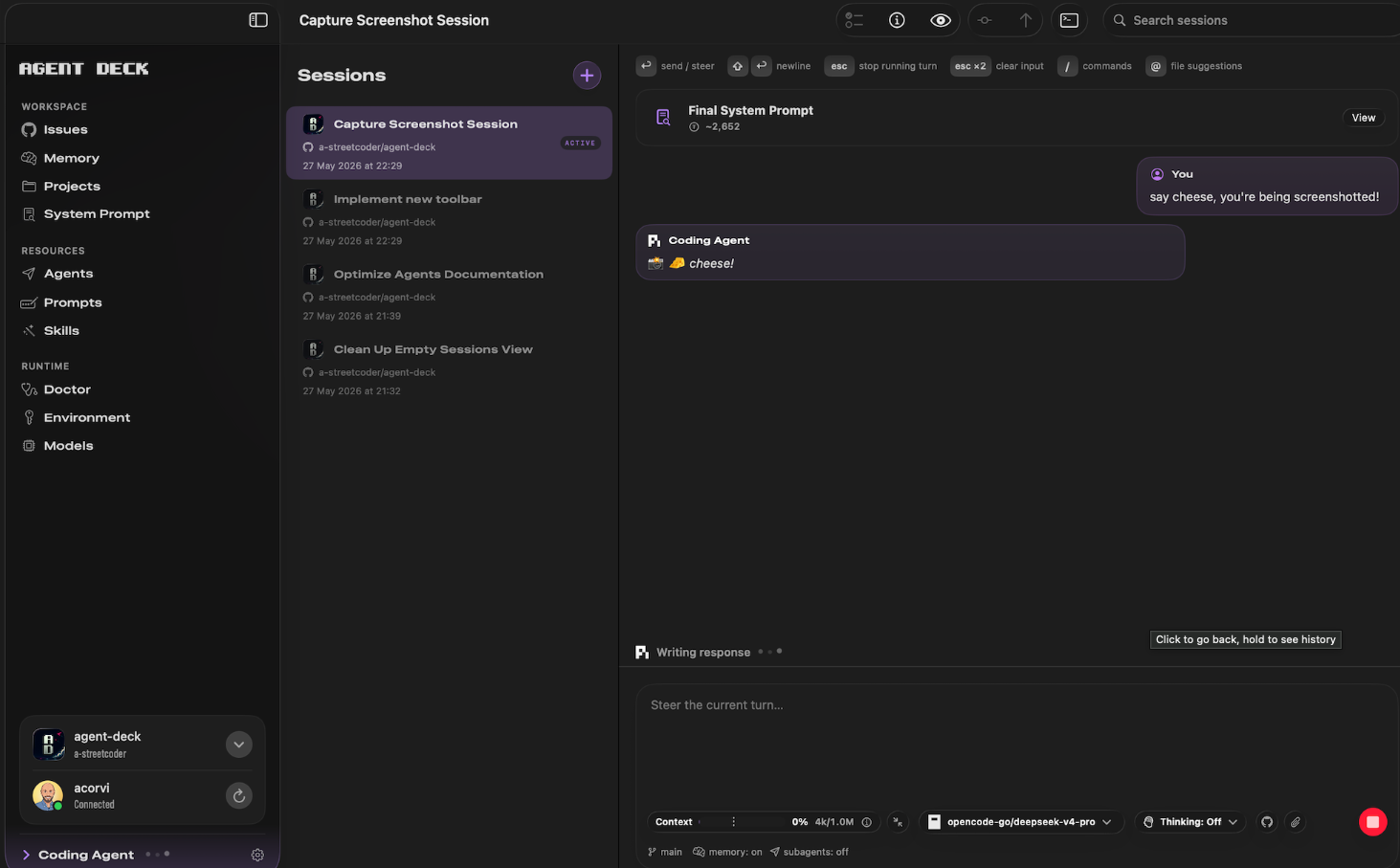
coral evalto stage, commit, and grade their work — with support for static rubrics or self-evolving dynamic judges. - Zero-config orchestration: Start, stop, resume runs with simple CLI commands; monitor progress via a live web dashboard.
- Built-in research skills: Agents can perform structured literature reviews, save sources, and build knowledge indexes — automatically during warm-start or on-demand.
- Agent-agnostic: Works with Claude Code (default), Codex, Cursor Agent, Kiro, OpenCode — just configure your preferred runtime.
Why should you care?
If you’re building AI systems for open-ended tasks — code generation, scientific discovery, legal analysis, product ideation — CORAL removes the scaffolding overhead so you can focus on what to solve, not how to coordinate solvers. It’s designed for robust evolution: agents learn from failures, propagate successful patterns, and continuously refine outputs — all while you stay in control via simple YAML configs.
P.S. Open-source, privacy-respecting, and built for developers who value control. Because the best AI systems don’t just work — they learn, together.
License
MIT License.